Adult Ballet: Understanding Turnout and Foot Work (Without Wrecking Your Knees)
Turnout and pointed feet are ballet’s signature — and two of the most commonly forced, knee-and-foot-wrecking things adult beginners do. Understanding them protects your joints while building real ballet technique. The guide: the turnout-and-feet reality, doing it safely and the strengthen-and-progress notes.
The Turnout-and-Feet Reality
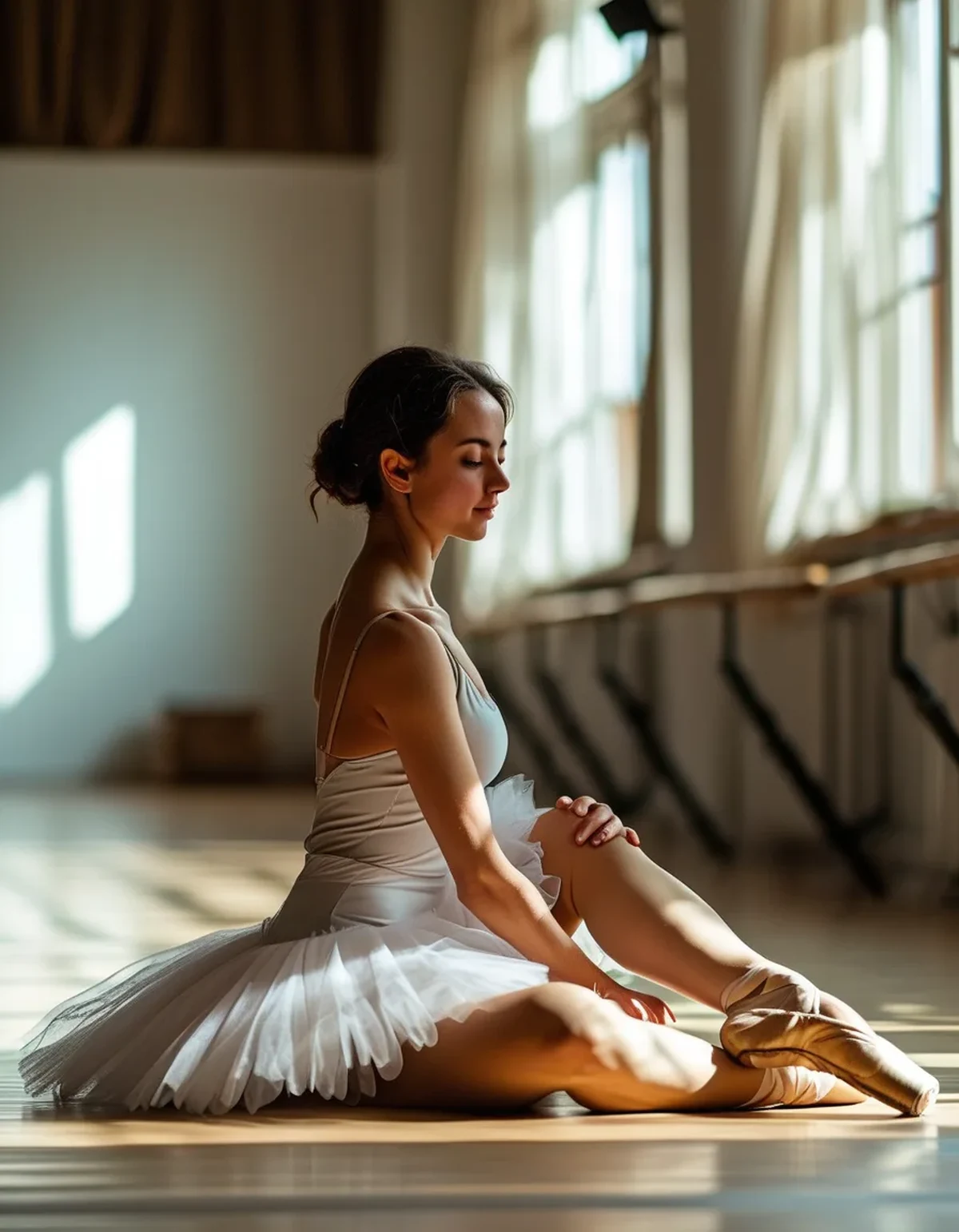
Understanding ballet’s signatures: the turnout-comes-from-the-hips (the true turnout rotating from the hip, not forcing the feet — the the-key-truth; the not-from-the-knees), the forced-turnout-wrecks-knees (the forcing feet-flat beyond your hip-rotation stressing knees-and-ankles from the adult-ballet-beginners chapter — the the-injury-risk; the don’t-force-it), the the-feet-and-pointing (the pointed feet from articulation-and-strength, not cranking — the the-foot-work; the earned-not-forced), the your-turnout-is-individual (the turnout limited by your-hip-anatomy — the work-with-your-body; the not-180-degrees), and the reframe (the turnout-and-feet as hip-led, individual, and strengthened-not-forced).
The Do-It-Safely Method
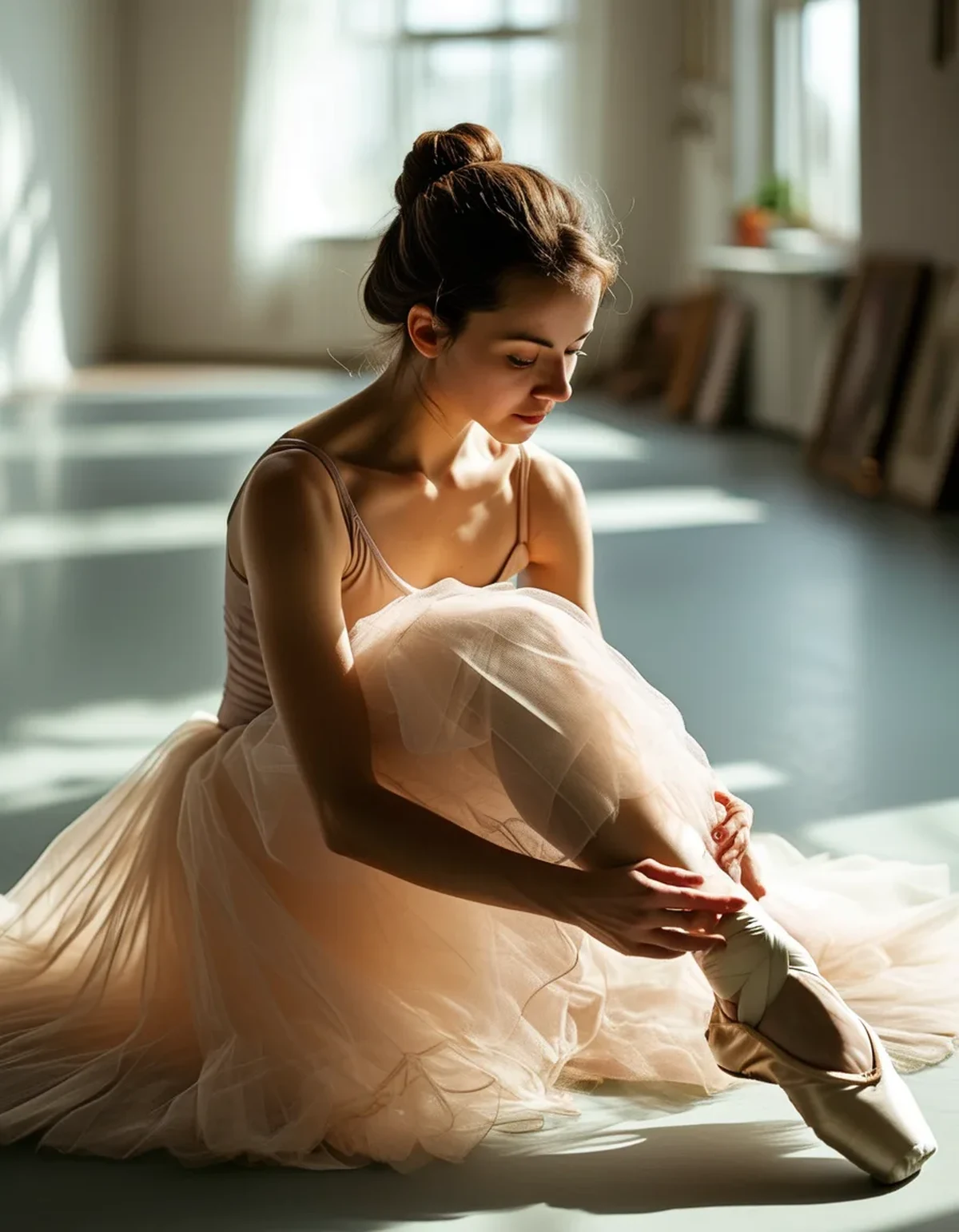
Turnout and feet without injury: the rotate-from-the-hips (the turnout initiated at the hip-rotators — the the-source; the not-the-feet-or-knees), the use-only-your-real-turnout (the working within your actual hip-rotation from the adult-ballet-beginners chapter — the honest-turnout; the don’t-cheat-it), the knees-over-toes-aligned (the knees tracking over toes in plié — the joint-safety; the the-alignment-rule), the the-foot-articulation (the pointing through-the-foot with control from the ballet-terms chapter — the articulate-don’t-crank), the barre-support-for-learning (the barre-work building turnout safely from the home-practice chapter — the supported-practice), the the-gradual-range (the turnout-and-flexibility built gradually from the ballet-flexibility chapter — the earn-the-range), and the professional-eye (the teacher checking your alignment from the adult-ballet-beginners chapter — the learn-it-right).
The Strengthen-and-Progress Notes
Building turnout and feet over time: the strengthen-the-rotators (the hip-rotator strengthening to improve turnout — the the-turnout-strength; the build-the-range), the strengthen-the-feet-and-ankles (the foot-and-ankle strengthening for pointing from the ballet-flexibility chapter — the foot-strength; the earn-the-point), the the-flexibility-and-mobility (the hip-and-ankle mobility supporting both from the ballet-flexibility chapter — the mobility-for-turnout), the conditioning-at-home (the turnout-and-foot conditioning between classes from the home-practice chapter — the practice-the-basics), the be-patient (the turnout-and-feet improving slowly with consistency — the gradual-gains; the patience), the never-force-for-progress (the progress from strength, not from cranking — the safe-progression; the protect-the-joints), and the frame (ballet turnout-and-feet as hip-led, safely-done, and strengthened-gradually — the signatures, without wrecking your knees. Turn out from your HIPS (not your feet or knees), use only your real hip-rotation, keep knees over toes, and build turnout-and-feet through strengthening — never forcing: ballet’s signatures, without the knee-and-foot damage.
Turnout and pointed feet are ballet’s signature — and two of the most commonly forced, knee-and-foot-wrecking things adult beginners do. The truth: true turnout rotates from the HIPS, not by forcing your feet flat, and forcing beyond your hip-rotation stresses your knees and ankles. Do it safely: rotate from the hip-rotators, use only your real turnout, keep your knees tracking over your toes, and articulate your feet with control (don’t crank). Then build it — strengthen the hip-rotators, feet and ankles, work mobility, and be patient. Progress from strength, never forcing. Ballet’s signatures, without wrecking your knees.
Keep Reading
This article is for general informational and styling purposes only. Fit, sizing, and product availability may vary.