Adult Ballet Barre Etiquette Nobody Explains — and Why It Matters More Than Technique
Quick Answer: Adult ballet barre etiquette comes down to 4 unwritten rules: claim your spot early, follow the room’s traffic direction, keep corrections to yourself unless asked, and never block the mirror line. Technique comes later — etiquette is what makes you welcome back.
You nailed the tendu combination but still felt like you did something wrong. Chances are you did — just not the thing you think. Ballet class runs on a set of unspoken rules that took the regulars years to absorb, and nobody hands you the list on day one.
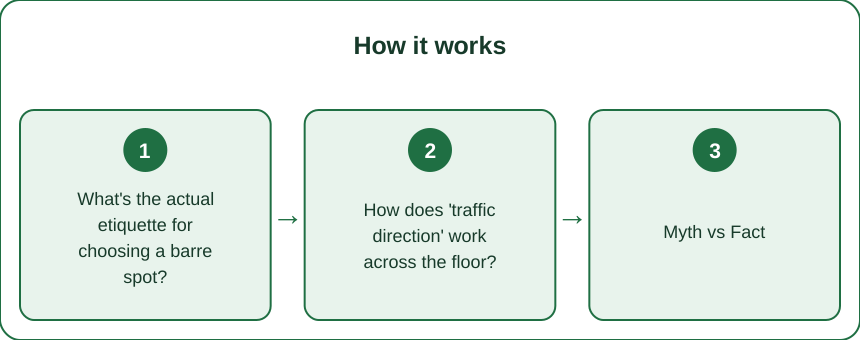
What’s the actual etiquette for choosing a barre spot?
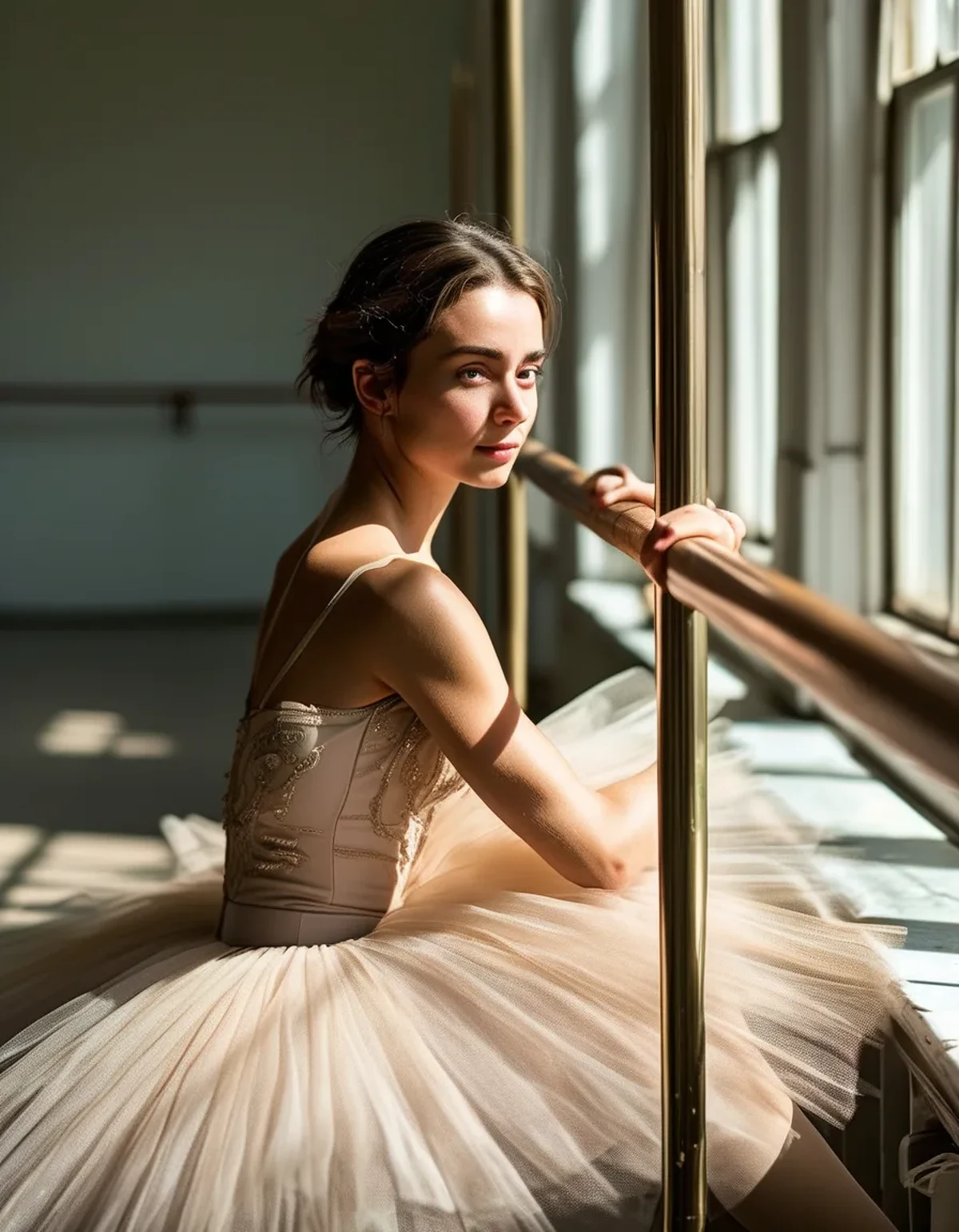
Newer dancers take the end of the barre, not the center. The center spot near the teacher is informally reserved for those who can demonstrate combinations if asked — arriving 10 minutes early lets you claim an end spot without awkwardness.
Once you’re set, that’s your spot for the whole barre section. Hopping between spots mid-class disrupts the room’s spacing for everyone doing traveling combinations later.
How does ‘traffic direction’ work across the floor?
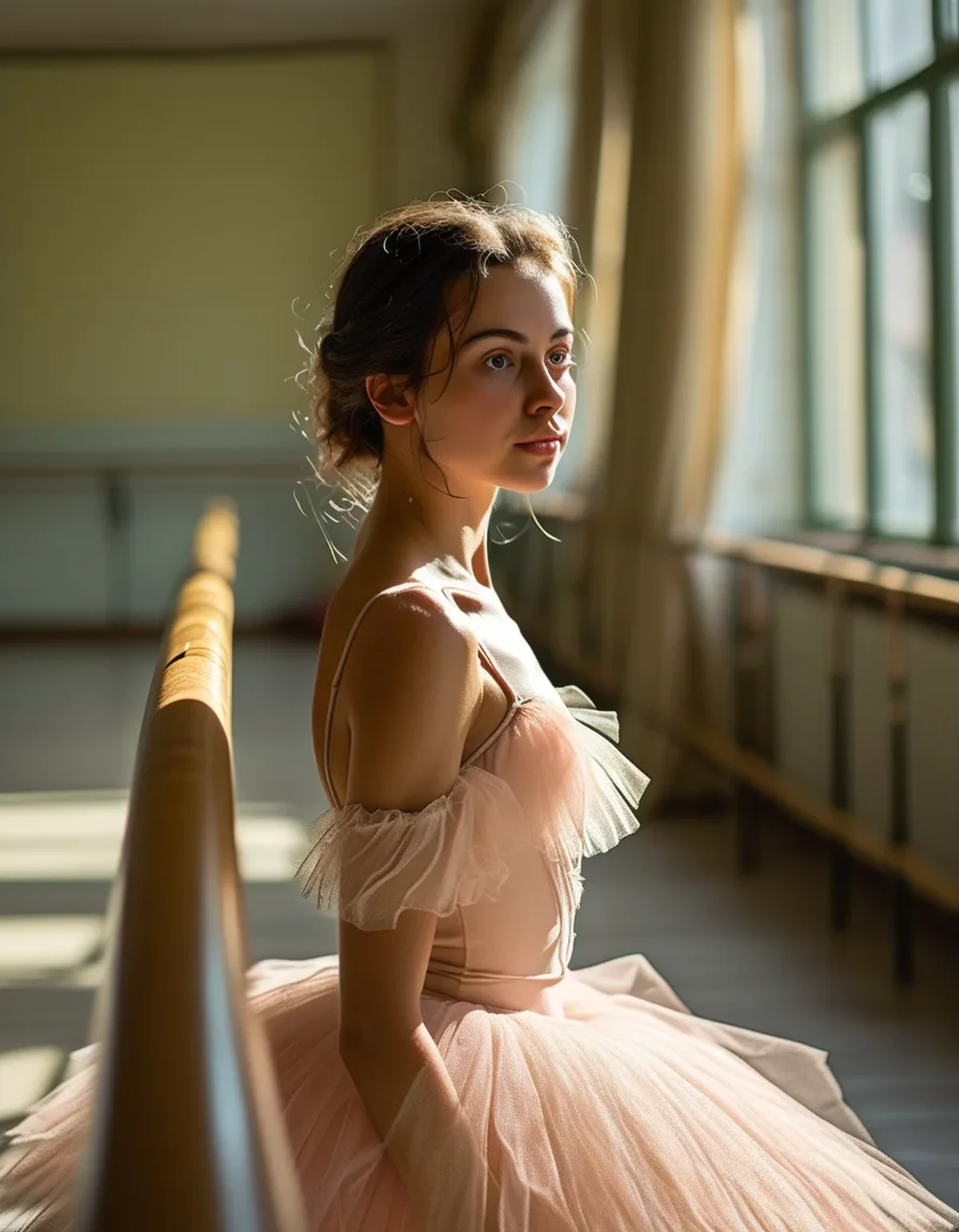
Center and across-the-floor combinations move in a consistent direction — usually indicated by the teacher pointing or the room’s natural flow toward the mirror. Watch the first group go before you join the second; guessing wrong sends you straight into oncoming dancers.
If you’re unsure, hang back one round and watch. Nobody minds a beat of hesitation; a collision mid-pirouette is what actually disrupts class.
Myth vs Fact: Adult Ballet Class Edition
Myth: Everyone will notice if you mess up the combination. Fact: Most adult dancers are laser-focused on their own feet. Studies of adult beginner classes consistently show self-consciousness is wildly disproportionate to actual attention received.
Myth: You need years of training before adult class ‘counts.’ Fact: Adult beginner tracks are built for zero-experience starts. The room’s whole point is dancers at your exact stage.
Myth: Pointe is the goal everyone’s working toward. Fact: Most adult ballet students never go on pointe and don’t want to — barre technique and center work are complete goals on their own.
What should you never do during a correction?
If the teacher corrects another dancer, don’t apply it to yourself out loud or visibly adjust your own position — it reads as making their correction about you. If a correction is for the room, it’ll be phrased that way (‘everyone, lower those shoulders’).
When you get a personal correction, a quiet nod and adjustment is the full expected response. No explanation of why you were doing it that way needed.
FAQ: Ballet Etiquette Questions, Answered
Is it rude to ask questions during class?
A quick clarifying question before a combination starts is fine. Mid-combination questions interrupt the room’s count — save those for right after, or class end.
What do you wear to your first adult ballet class?
Fitted, non-baggy clothing (leggings and a fitted top) so the teacher can see your lines. Ballet flats or bare feet are standard; check with the specific studio for pointe/soft shoe requirements.
Can you leave early if you need to?
Yes, but exit during a water break or between combinations, near the door, with a quiet nod to the teacher — not mid-phrase across the room.
TL;DR:
- End of barre for beginners, center reserved for regulars who can demo
- Watch the traffic direction once before joining a moving combination
- Corrections for others aren’t yours to apply out loud — wait for your own
- Self-consciousness is almost always bigger in your head than in the room
Etiquette, not perfect technique, is what makes a studio feel like yours — the steps will follow.
Keep Reading
This article is for general informational and styling purposes only. Fit, sizing, and product availability may vary.